Money saving and sustainability go hand in hand. Here are just 4 lifestyle changes I’ve made to save money while also doing my bit for the environment.
Switching fast fashion for second hand style
When I watched The True Cost for the first time a few years ago, it completely changed the way I thought about fashion. I felt sad, angry, and began looking at my wardrobe with resentment.
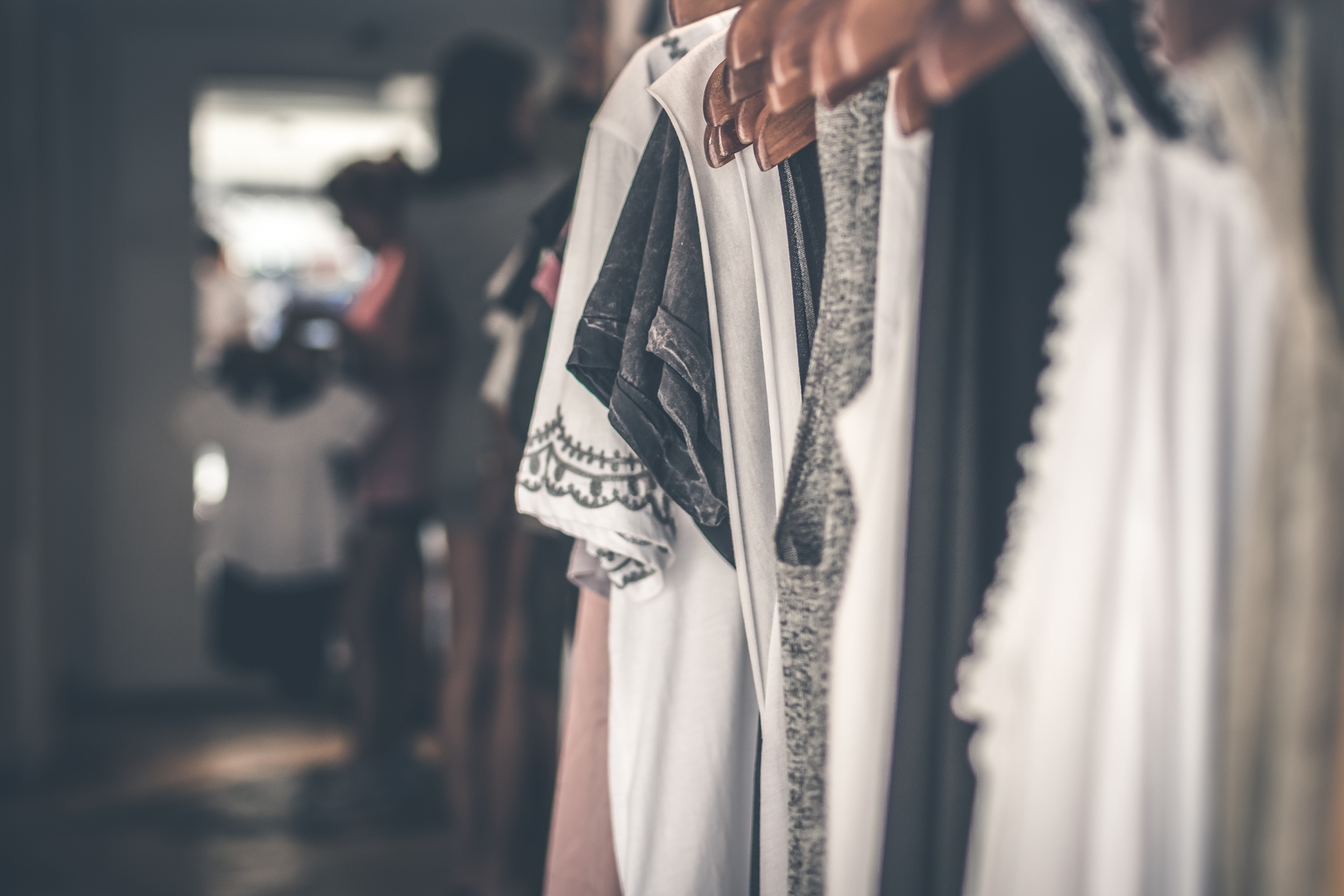
Thankfully, it was around this time that I discovered the beauty of charity shops and practically abandoned fast fashion retailers in favour of second hand bargains. I can’t claim to have ditched new clothes completely, but I avoided the high street like the plague and for a while, the vast majority of my purchases were preowned.
As a teenager, I wouldn’t be seen dead in a charity shop. I assumed they’d be overflowing with ugly, ill-fitting flowery dresses salvaged from the homes of old ladies who’d died with no one to leave their belongings to. How silly of me. I now realise that in reality, charity shops are increasingly likely to be filled with beautiful, flattering, flowery dresses bought from Zara, Miss Selfridge and H&M - dresses that have only been worn a couple of times before being left in a bin bag on the doorstep of British Heart Foundation after a Tidying Up With Marie Kondo session inspired the original owner to have a clear out.
In a perfect world we’d only buy clothes that we promise to love and cherish until they fall apart, but in reality that’s unlikely to happen. And as long as fast fashion exists, charity shops will be filled with perfectly good clothes for a few quid less than they costed on the high street a few weeks before.
There have been times when I’ve found far better quality clothes in charity shops than I’ll find via discount online retailers. I bought a brand new dress from Oxfam a few years ago for £15 only for a quick googling session to reveal it was worth £139.
Made my periods eco-friendly
Period shame has a lot to answer for. It’s weird that it still exists when you consider that roughly half the population has the ability to menstruate. Not only does this shame prevent us from talking about the negative impact that disposable period products have on the environment, it also tricks us into thinking that periods are so gross that the only way to deal with them is to mop them up with disposable products that can be thrown away the second we’re done with them. Out of sight, out of mind.
The problem is, each tampon and sanitary towel can sit for years in landfill or end up in the ocean. And with the average woman using up to 11,000 disposable sanitary products throughout her life, the amount of waste that accumulates as a result of menstruation is colossal.
With this in mind, I recently took the leap and switched from using tampons to the menstrual cup. Let me tell you, it’s changed my life. Don’t get me wrong, figuring out how to fit what is essentially a silicone bell into my vagina was scary at first, but after 24 hours of use, I was converted. Read my 7 days of using a menstrual cup review here.
If you menstruate, making your periods eco-friendly can be a great way of saving money in the process - especially when you consider that the cost of disposable period products can sometimes set you back between £5-£10 a month.
Cutting down on food waste
When I rented a room in a shared flat with my friends a few years ago, I was really bad for wasting food. It was mostly down to a lack of preparation, laziness, and refusal to cook anything that required greater culinary skills than turning on an oven. I’d do a huge food shop, buy everything I could possibly want, whack it in the fridge, get regular takeaways, and act surprised when the burgers and pies I’d bought the week before had gone off.
In the years since then, I’ve gotten better at reducing food waste and this in turn has helped me save money.
Usually, I’ll do a big Aldi food shop at the start of the month and fill my trolley with meat, veg and other foods I can throw in a pan and cook with minimal effort. In the first few days following that shop, I’ll cook curries, chillis and casseroles before separating each dish into lots of Tupperware tubs and freezing them for later. This usually prevents me from forgetting about food in the fridge until it’s too late.
If I’ve got an apple that’s getting a bit soft and a banana that’s starting to brown, I’ll chop them up and whack them in my Nutribullet along with a splash of milk that has a day left.
If I’ve got a tub of mushrooms that look like they’ve only got one day left in them, I’ll bung them in a frying pan with some eggs and ham and make an omelette.
Making my apartment as cosy as possible
When I moved into my flat in December 2017, my neighbours and I were quickly in for a shock. Our apartments were far less energy efficient than we were initially led to believe and the electric heaters we have in each room are ridiculously ineffective and expensive to run. Our bills were obscene!
So now, every time the leaves begin to fall from the trees in autumn, I transform into Ned Stark and start dramatically preparing for winter. I dig out my cosiest jumpers, throw snuggly blankets on top of every piece of furniture, and can be found with a hot water bottle at my side whenever I’m home. These faux fur hot water bottles saved me so much money last year and not only are they great in winter, they’re ideal for soothing cramps or aches and pains the rest of the year round.
If you have energy inefficient electric heaters in your home as opposed to central heating, welcome to the club mate.
If it’s so cold I want the heating on, I pick one room to spend most of the day in and heat that one alone, rather than the whole flat. If I’ve got washing to do and the heating’s on, I won’t bother with the dryer and will hang them up to dry instead.
Please note that this post includes affiliate links. This means that if you make a purchase using one of the links included in this post, I may make a small commission at no extra cost to you.
What's the magic word?
Subscribe today and I'll send you the secret password for the free resource library. There you'll find free guides, workbooks and cheat sheets designed to transform your finances